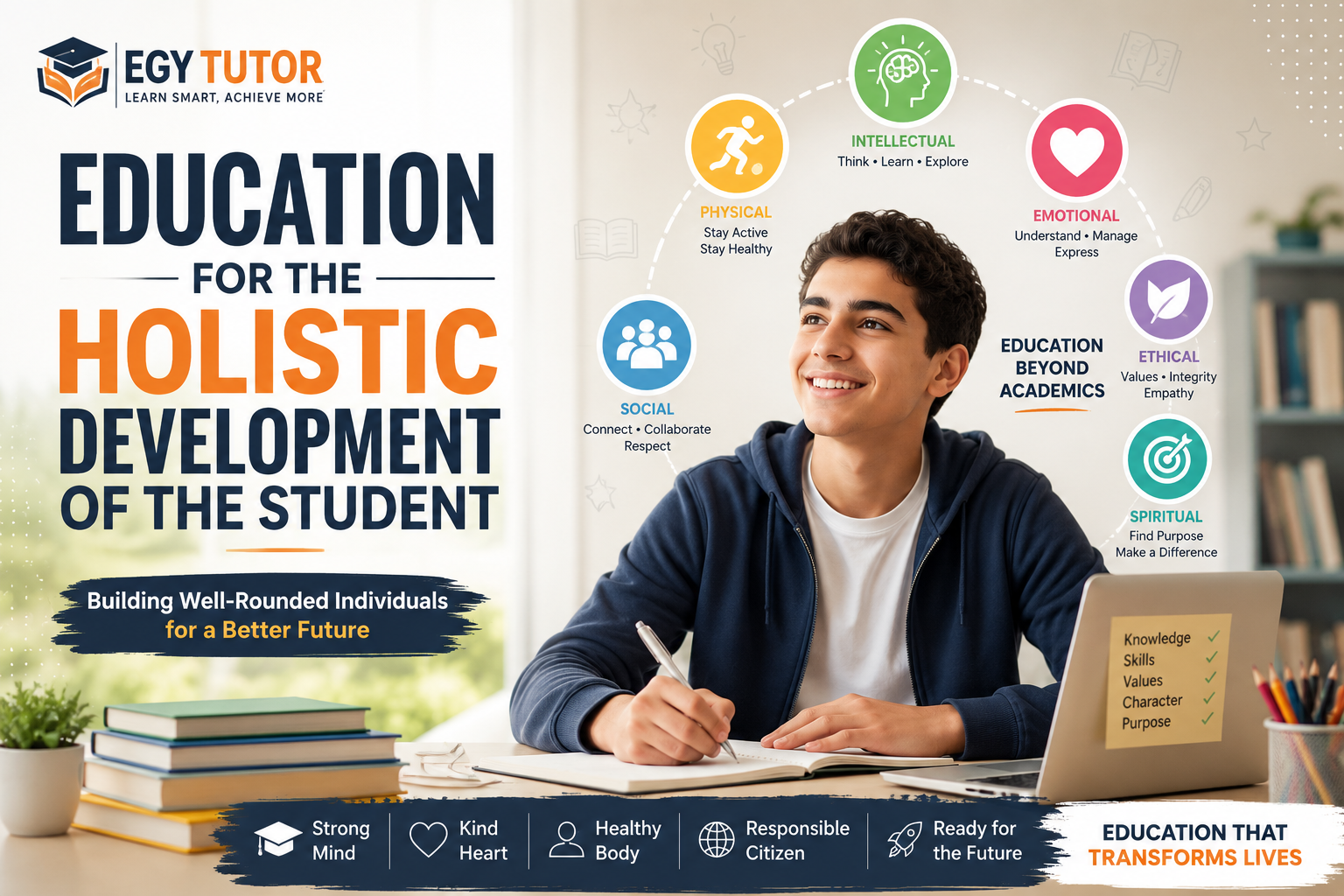




Education is often described as the key to a better future, but simply attending classes or earning certificates does not automatically lead to success. The real value of education comes from how knowledge is understood, applied, and transformed into useful skills, better decisions, and meaningful opportunities.
To turn education into success, students need more than information. They need clear goals, practical skills, discipline, confidence, critical thinking, and the ability to connect what they learn with real life.
Success also depends on the quality of the learning environment, the role of teachers, family support, access to opportunities, and the learner’s willingness to continue developing over time.
This article explains how education can become a practical pathway to academic, professional, and personal success.
What Does Educational Success Really Mean?
Educational success should not be measured only by grades.
High marks can be valuable, but they represent only one part of learning.
A successful education should help learners develop:
- Knowledge.
- Practical skills.
- Critical thinking.
- Communication abilities.
- Confidence.
- Creativity.
- Problem-solving skills.
- Responsibility.
- Adaptability.
- Lifelong learning habits.
The ultimate goal is not simply to pass examinations, but to become capable of using knowledge effectively.
1. Start With Clear Goals
Education becomes more meaningful when students understand why they are learning.
A student who has a clear objective is usually more motivated than one who studies without direction.
Goals may include:
- Entering a specific university.
- Learning a profession.
- Improving language skills.
- Building a business.
- Developing technical skills.
- Qualifying for a better job.
Large goals should be divided into smaller, achievable steps.
For example, instead of saying, “I want to become good at English,” a learner might aim to complete a specific course, learn a set number of words each week, and practice speaking regularly.
Learn more about setting effective learning goals.
2. Focus on Understanding, Not Memorization
Memorization can sometimes be necessary, but it should not become the main purpose of education.
Students should ask:
- Why does this happen?
- How does this concept work?
- Where can I use it?
- What problem does it solve?
- How is it connected to other ideas?
Understanding makes knowledge easier to remember and more useful outside the classroom.
This is why critical thinking skills are essential for long-term educational success.
3. Connect Learning to Real Life
One of the best ways to make education valuable is to apply what you learn.
Students can turn theoretical knowledge into practical experience through:
- Projects.
- Experiments.
- Internships.
- Volunteering.
- Competitions.
- Research.
- Freelance work.
- Personal projects.
For example, a student learning programming can build a simple application rather than only reading about coding.
A marketing student can create a campaign for a small business.
Practical application helps transform knowledge into ability.
4. Build Strong Study Habits
Success rarely comes from occasional periods of intense effort.
Consistency is more effective.
Good study habits may include:
- Studying at regular times.
- Reviewing lessons frequently.
- Taking useful notes.
- Completing assignments early.
- Minimizing distractions.
- Testing yourself.
- Asking questions.
A simple daily routine can produce better results than studying for many hours immediately before an examination.
5. Learn How to Manage Time
Time management is one of the most valuable skills a student can develop.
Students often need to balance:
- Classes.
- Homework.
- Family responsibilities.
- Social activities.
- Work.
- Personal interests.
A weekly schedule can help organize these responsibilities.
Prioritize important tasks and divide large assignments into smaller steps.
For additional guidance, see time management for students.
6. Develop Critical Thinking
Modern students have access to enormous amounts of information.
The challenge is no longer simply finding information.
The challenge is determining whether it is accurate and useful.
Critical thinkers ask:
- What is the evidence?
- Is the source reliable?
- Are there other explanations?
- Is this fact or opinion?
- What information may be missing?
These skills are particularly important in the age of social media and artificial intelligence.
7. Ask Questions
Students sometimes avoid asking questions because they fear appearing weak or confused.
In reality, asking questions is an important part of learning.
Questions help learners:
- Clarify difficult concepts.
- Identify gaps in understanding.
- Explore topics more deeply.
- Develop curiosity.
Teachers should also create environments where students feel comfortable asking questions.
8. Use Technology as a Learning Tool
Technology can significantly improve learning when used correctly.
Students can use digital tools to:
- Watch educational videos.
- Access digital books.
- Take online courses.
- Practice languages.
- Conduct research.
- Collaborate on projects.
- Review lessons.
However, technology can also become a major distraction.
The key is purposeful use.
Read more about digital learning in education.
9. Use Artificial Intelligence Responsibly
Artificial intelligence can become a powerful learning assistant.
Students can use AI to:
- Explain difficult concepts.
- Generate practice questions.
- Improve writing.
- Create study plans.
- Summarize topics.
- Practice languages.
But AI should not replace thinking.
Students who use AI simply to complete assignments may receive answers without developing the necessary skills.
A better approach is to use AI as a tutor.
For example, instead of asking:
“Give me the answer.”
Ask:
“Give me a hint.”
“Explain this step.”
“Show me a similar example.”
Learn more about responsible AI use for students.
10. Develop Communication Skills
Academic knowledge alone is not enough.
Students need to communicate their ideas clearly.
Important communication skills include:
- Writing.
- Speaking.
- Listening.
- Presentation.
- Negotiation.
- Teamwork.
These abilities are valuable in both education and employment.
Students can improve through presentations, debates, group projects, and public speaking activities.
11. Learn to Work With Others
Most modern workplaces depend on collaboration.
Students who learn how to work effectively in teams gain an important advantage.
Teamwork teaches:
- Responsibility.
- Communication.
- Leadership.
- Conflict resolution.
- Cooperation.
Group projects can therefore be useful when they are well designed.
Explore collaborative learning.
12. Develop Problem-Solving Skills
Successful people are often valuable because they can solve problems.
Education should therefore give students opportunities to face real or simulated challenges.
Instead of only asking students to remember information, educators can ask them to:
- Analyze a situation.
- Identify a problem.
- Suggest solutions.
- Compare alternatives.
- Test ideas.
This makes learning more practical.
13. Accept Mistakes as Part of Learning
Fear of failure can prevent students from trying difficult things.
Mistakes should be treated as information.
They show learners what needs improvement.
A student who receives a low score should ask:
- Which questions were wrong?
- Why were they wrong?
- What concept did I misunderstand?
- What can I change next time?
Learning from mistakes is more valuable than simply feeling disappointed by them.
14. Seek Feedback
Feedback helps students understand their strengths and weaknesses.
Teachers, mentors, classmates, and supervisors can provide useful perspectives.
Good feedback should identify:
- What was done well.
- What needs improvement.
- How to improve it.
Students should learn to receive constructive criticism without treating it as a personal attack.
See effective feedback in education.
15. Build Practical Skills Alongside Academic Knowledge
Employers often look for more than academic qualifications.
Students can strengthen their future opportunities by developing practical skills such as:
- Computer skills.
- Data analysis.
- Foreign languages.
- Writing.
- Presentation.
- Project management.
- Digital marketing.
- Programming.
The most valuable combination is usually strong subject knowledge plus practical skills.
16. Learn a Second Language
Knowing another language can expand educational and professional opportunities.
English, in particular, provides access to a large amount of academic and professional content.
Language learning can also improve:
- Communication.
- Cultural understanding.
- Employment opportunities.
- Access to international education.
Consistent practice is more important than occasional intensive study.
17. Build a Professional Network
Education is also an opportunity to build relationships.
Students can connect with:
- Teachers.
- Professors.
- Classmates.
- Professionals.
- Alumni.
- Mentors.
These relationships may later lead to internships, job opportunities, collaborations, or useful advice.
Networking should focus on genuine professional relationships rather than simply collecting contacts.
18. Look for Internships and Work Experience
One of the best ways to turn education into career success is to gain experience before graduation.
Internships allow students to understand how their knowledge is used in real workplaces.
They also help students discover whether a particular career is suitable for them.
Even short internships can provide valuable experience.
19. Create a Portfolio
A portfolio shows what a student can actually do.
Depending on the field, it may include:
- Writing samples.
- Designs.
- Coding projects.
- Research.
- Videos.
- Marketing campaigns.
- Photography.
- Engineering projects.
A strong portfolio can sometimes communicate ability more effectively than grades alone.
20. Find Mentors
A mentor can provide guidance based on experience.
Mentors may be:
- Teachers.
- Professors.
- Experienced professionals.
- Managers.
- Entrepreneurs.
They can help students understand career choices, avoid mistakes, and identify opportunities.
21. Develop Self-Confidence
Knowledge becomes more useful when students are confident enough to use it.
Confidence develops through preparation and experience.
Students can build confidence by:
- Practicing.
- Taking responsibility.
- Participating in discussions.
- Completing difficult tasks.
- Learning from mistakes.
Confidence should not mean believing that you know everything.
It means trusting your ability to learn and improve.
22. Understand the Job Market
Students should learn about career requirements before graduation.
Research:
- Growing industries.
- Required skills.
- Typical job roles.
- Professional qualifications.
- Salary expectations.
- Technology trends.
Understanding the job market can help students choose useful courses and skills.
Read more about preparing students for the future of work.
23. Continue Learning After Graduation
Graduation should not be the end of education.
Industries change, technologies evolve, and skills become outdated.
Successful professionals continue learning through:
- Online courses.
- Certifications.
- Books.
- Workshops.
- Conferences.
- Professional training.
This is known as lifelong learning.
The Role of Teachers
Teachers play an important role in turning education into success.
An effective teacher does more than explain information.
Teachers can:
- Inspire curiosity.
- Encourage questions.
- Identify student strengths.
- Provide feedback.
- Connect lessons to real life.
- Encourage independent thinking.
Successful education depends heavily on students having access to teachers who help them become independent learners.
The Role of Families
Families can also support educational success.
Parents do not necessarily need to teach academic subjects.
They can help by:
- Encouraging learning.
- Providing a suitable study environment.
- Showing interest in progress.
- Supporting healthy routines.
- Avoiding unrealistic pressure.
The objective should be to encourage responsibility rather than create fear.
The Role of Schools and Universities
Educational institutions must also create conditions that allow students to succeed.
They should provide:
- Qualified teachers.
- Relevant curricula.
- Practical learning opportunities.
- Career guidance.
- Technology.
- Student support.
- Safe environments.
Schools and universities should regularly evaluate whether their programs are preparing students for real-world challenges.
Common Mistakes That Limit Educational Success
Students may reduce the value of their education by:
- Studying only for exams.
- Memorizing without understanding.
- Waiting until the last minute.
- Ignoring practical skills.
- Avoiding difficult subjects.
- Depending completely on teachers.
- Using AI to avoid learning.
- Refusing feedback.
- Focusing only on grades.
- Stopping learning after graduation.
Recognizing these mistakes early can make education much more valuable.
A Simple Formula for Turning Education Into Success
A useful way to think about educational success is:
Knowledge + Skills + Practice + Discipline + Opportunity = Greater Chance of Success
Education provides knowledge.
Practice turns knowledge into ability.
Discipline creates consistency.
Skills make knowledge useful.
Opportunities allow people to apply what they have learned.
No single element guarantees success, but together they create a much stronger foundation.
Conclusion
Education can be one of the most powerful pathways to success, but its value depends on what learners do with it.
Success does not come simply from attending classes, earning certificates, or memorizing information.
It comes from transforming education into understanding, skills, experience, discipline, and action.
Students who set clear goals, develop strong study habits, think critically, use technology responsibly, gain practical experience, seek feedback, and continue learning after graduation are better positioned to benefit from their education.
Teachers, families, schools, and universities also have an important responsibility to create environments that support meaningful learning.
Ultimately, the goal of education should not only be to help students pass examinations.
It should help them become capable, confident, adaptable people who can use what they know to solve problems, create opportunities, and build successful lives.