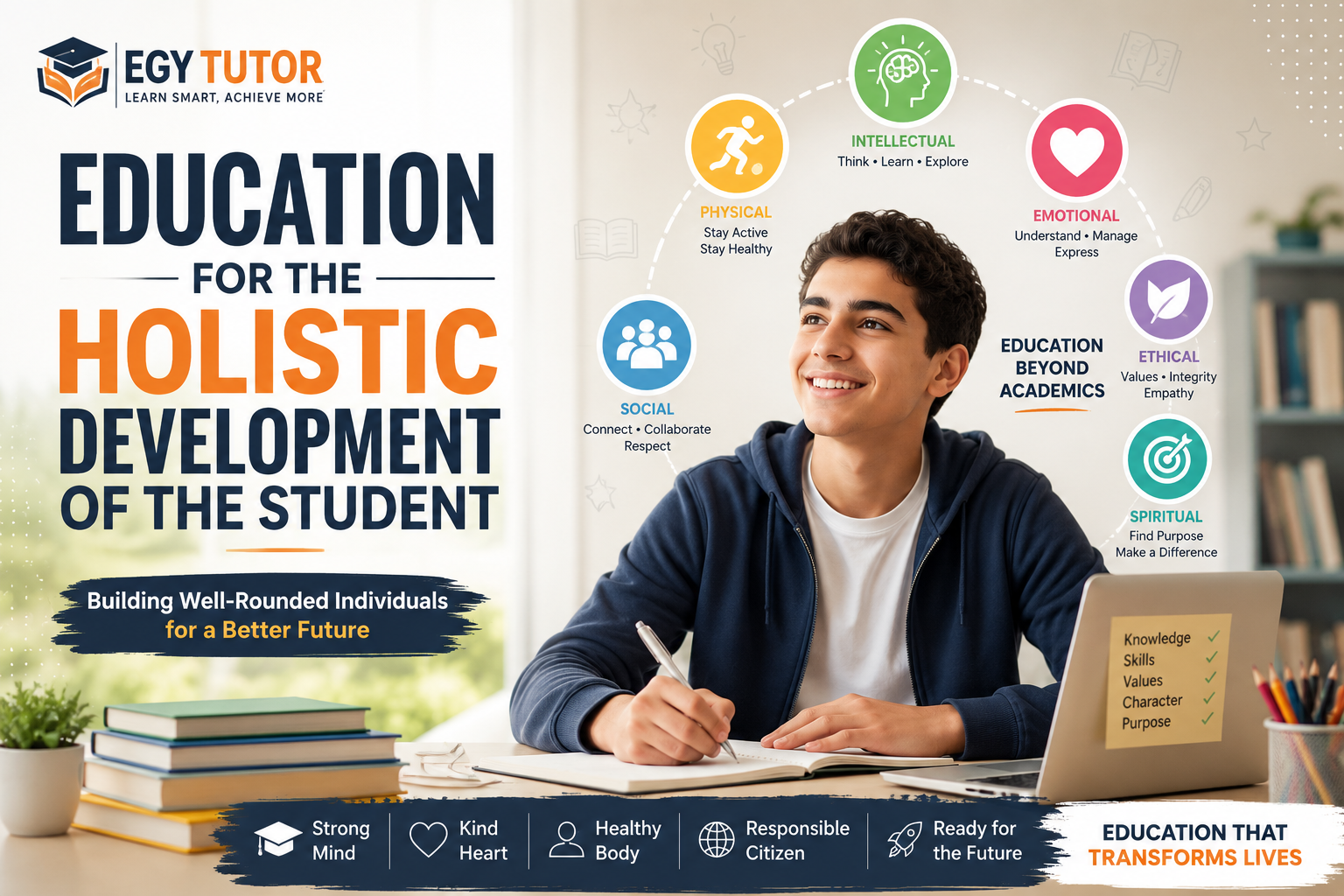




Students often leave school or university remembering the subjects they studied, the exams they passed, and the grades they received. But many later realize that some of the most valuable questions were never asked.
Education is not only about receiving information from teachers. It is also about learning how to ask better questions, understand how knowledge works, discover personal strengths, and prepare for life beyond the classroom.
The right questions can help students understand a subject more deeply, improve their study habits, make smarter career choices, and build stronger relationships with their teachers.
This article explores the things you should have asked your teachers and why these questions can make education more useful, practical, and meaningful.
1. “Why Is This Important?”
One of the most useful questions a student can ask is:
Why do I need to learn this?
Students are often more motivated when they understand the purpose behind a topic.
A teacher may be able to explain how a lesson connects to:
- Future courses.
- Everyday life.
- Professional skills.
- University study.
- Problem-solving.
- Critical thinking.
Understanding the purpose of learning can turn a subject from something that feels compulsory into something that feels relevant.
See also how to make learning meaningful.
2. “Where Will I Use This in Real Life?”
Many students memorize information without understanding where it can be applied.
Asking teachers for practical examples can make lessons much easier to understand.
For example:
A mathematics teacher may explain how percentages are used in finance.
A science teacher may show how physics is applied in engineering.
A language teacher may connect grammar lessons to professional communication.
Real-world examples help students understand that education is not separate from life.
3. “What Is the Most Important Thing I Should Understand?”
Not every detail in a lesson has equal importance.
Students sometimes become overwhelmed because they try to memorize everything.
A useful question is:
What is the central idea of this topic?
This helps students distinguish between:
- Core concepts.
- Supporting details.
- Examples.
- Definitions.
- Additional information.
Understanding the main idea can make studying much more efficient.
4. “What Mistakes Do Students Usually Make?”
Teachers often see the same mistakes repeatedly.
They know which concepts students misunderstand and which exam questions commonly create problems.
Asking:
What mistakes should I avoid?
can help students learn from the experience of previous learners.
This is especially useful before exams or major assignments.
5. “How Should I Study This Subject?”
Different subjects require different study methods.
The best way to study history may be very different from the best way to study mathematics.
Teachers can often recommend effective strategies.
For example:
- Mathematics may require repeated problem-solving.
- Languages require regular practice.
- Science may require understanding processes and concepts.
- History may benefit from timelines and cause-and-effect analysis.
Students should ask teachers how to study intelligently rather than simply studying longer.
Read more about effective study strategies.
6. “How Can I Improve My Weakest Area?”
Students often know that they are struggling but do not know exactly what to do next.
A teacher can help identify a specific weakness.
Instead of saying:
“I’m bad at English.”
a teacher may identify that the real difficulty is vocabulary, grammar, writing structure, or speaking confidence.
Once the problem becomes specific, improvement becomes easier.
7. “What Am I Doing Well?”
Students usually ask teachers about mistakes, but they should also ask about strengths.
Knowing what you do well can help you build confidence and identify potential interests.
You might discover that you are particularly strong at:
- Writing.
- Analysis.
- Creativity.
- Mathematics.
- Communication.
- Leadership.
- Research.
These strengths may later influence academic or career decisions.
8. “How Can I Go Beyond the Textbook?”
A textbook should not be the limit of learning.
Students can ask teachers to recommend:
- Books.
- Articles.
- Videos.
- Websites.
- Podcasts.
- Projects.
- Competitions.
- Online courses.
This is especially useful when a student becomes interested in a subject and wants to explore it in greater depth.
9. “What Should I Learn Before Moving to the Next Level?”
Subjects often build on previous knowledge.
If a student has weak foundations, advanced topics become much harder.
Teachers can identify which concepts must be mastered first.
For example, a student struggling with algebra may actually need to review fractions or basic arithmetic.
This question can help prevent learning gaps from becoming larger.
10. “Can You Explain It in Another Way?”
Students sometimes assume that if they do not understand the first explanation, they are not capable of learning the subject.
That is not necessarily true.
A concept can often be explained in several ways.
Students should feel comfortable asking:
- Can you give me another example?
- Can you explain it more simply?
- Can you show me visually?
- Can you connect it to something I already know?
Different explanations can make difficult ideas easier to understand.
11. “What Should I Do When I Get Stuck?”
Students need strategies for dealing with difficulty.
A teacher can suggest steps such as:
- Reread the question.
- Identify what you already know.
- Break the problem into smaller parts.
- Review a similar example.
- Attempt a solution.
- Ask for help only after trying.
Learning how to get unstuck is an important part of becoming an independent learner.
12. “How Can I Think More Critically About This Topic?”
A strong student does not only remember information.
A strong student also questions and evaluates it.
Ask teachers:
- What evidence supports this idea?
- Are there competing interpretations?
- What assumptions are being made?
- What would someone who disagrees say?
These questions help develop critical thinking skills.
13. “How Do Experts Think About This Subject?”
Students often focus on correct answers, while experts focus on reasoning.
For example:
A scientist asks how evidence supports a conclusion.
A historian considers different sources.
A programmer breaks problems into logical steps.
A writer thinks about audience and purpose.
Understanding how experts think can be more valuable than memorizing isolated facts.
14. “How Can I Practice This Skill?”
Learning becomes stronger through practice.
Ask teachers what exercises can help you improve.
Practice may include:
- Solving problems.
- Writing essays.
- Giving presentations.
- Conducting experiments.
- Creating projects.
- Teaching the concept to someone else.
Practical work transforms knowledge into ability.
15. “Can You Give Me Feedback on How I Think, Not Just My Answer?”
A correct answer is useful, but understanding the reasoning process is even more valuable.
Students should ask teachers to evaluate:
- Their approach.
- Their logic.
- Their organization.
- Their problem-solving method.
This can help improve future performance even when the specific question changes.
Learn more about effective feedback in education.
16. “What Skills Will Matter in the Future?”
Teachers can sometimes provide valuable perspective on how a subject connects to future opportunities.
Students can ask which skills are becoming more important in:
- Higher education.
- Employment.
- Technology.
- Business.
- Research.
These skills may include communication, digital literacy, data analysis, critical thinking, creativity, or teamwork.
17. “Which Careers Are Connected to This Subject?”
Students often study subjects without understanding the careers associated with them.
Teachers may be able to explain how a subject connects to professions.
For example:
Biology may connect to medicine, biotechnology, research, or environmental science.
Mathematics may connect to finance, engineering, data science, or technology.
Understanding these connections can help students make better career choices.
See career planning for students.
18. “What Would You Recommend If You Were in My Position?”
Teachers often have experience that students do not yet have.
A thoughtful teacher may be able to provide useful advice about:
- Choosing courses.
- Improving study habits.
- Preparing for university.
- Developing skills.
- Avoiding common mistakes.
Students should not treat every piece of advice as a command, but experienced perspectives can be valuable.
19. “What Do You Wish Students Understood About Learning?”
This is a powerful question because teachers often observe the same patterns year after year.
A teacher may tell students that:
- Consistency matters more than last-minute study.
- Asking questions is not a weakness.
- Mistakes are part of learning.
- Understanding is more important than memorization.
- Progress takes time.
These lessons may be more valuable than any single chapter in a textbook.
20. “What Should I Stop Doing?”
Improvement is not only about adding new habits.
Sometimes students need to eliminate ineffective behaviors.
A teacher may notice habits such as:
- Procrastination.
- Copying answers.
- Avoiding difficult tasks.
- Memorizing without understanding.
- Not reviewing mistakes.
- Failing to participate.
Asking this question can lead to practical changes.
21. “How Can I Become More Independent?”
The ultimate goal of education should be to help students become capable learners who do not depend entirely on teachers.
Ask teachers how to:
- Research independently.
- Evaluate sources.
- Organize learning.
- Solve problems.
- Review your own work.
- Identify what you do not understand.
Independent learning becomes increasingly important in university and professional life.
22. “How Can I Use Technology Better for Learning?”
Technology can either improve learning or become a major distraction.
Teachers can help students use technology for:
- Research.
- Online courses.
- Practice.
- Collaboration.
- Educational videos.
- Digital organization.
Students should learn to use digital tools intentionally.
Read more about digital learning skills.
23. “How Should I Use Artificial Intelligence for This Subject?”
Artificial intelligence has created a new category of questions students should ask teachers.
Instead of secretly using AI to complete assignments, students should ask how it can be used responsibly.
AI may help with:
- Explanations.
- Practice questions.
- Brainstorming.
- Feedback.
- Revision.
Teachers can also explain what forms of AI use are acceptable or prohibited for specific assignments.
See responsible AI use for students.
24. “How Do I Know Whether an Online Source Is Reliable?”
Students have access to more information than ever before, but not all information is accurate.
Teachers can help students learn how to evaluate:
- The author.
- Evidence.
- Publication date.
- Source reputation.
- References.
- Possible bias.
Information literacy is one of the most important skills in modern education.
25. “Can You Recommend a Mentor or Opportunity?”
Teachers often know about opportunities students may never discover independently.
These may include:
- Internships.
- Scholarships.
- Competitions.
- Research projects.
- Clubs.
- Volunteer opportunities.
- Professional mentors.
Students who ask are more likely to discover these possibilities.
26. “How Can I Prepare for Life After School?”
Education should prepare students for more than exams.
Teachers can provide guidance on:
- University.
- Employment.
- Communication.
- Time management.
- Professional behavior.
- Career choices.
Asking about life beyond the classroom can make education more practical.
Why Students Often Do Not Ask These Questions
There are several reasons students remain silent.
They may:
- Feel shy.
- Fear embarrassment.
- Believe teachers are too busy.
- Focus only on grades.
- Not know what questions to ask.
- Think asking questions shows weakness.
Schools and teachers can help by creating a culture where curiosity is encouraged.
Teachers Should Encourage Better Questions
The responsibility does not belong entirely to students.
Teachers can actively invite questions such as:
“What part is still unclear?”
“How could this be used outside school?”
“What would you like to explore further?”
A classroom where students feel safe asking questions is more likely to produce deeper learning.
The Questions That Matter Most
If you could return to school and ask only a few questions, these might be among the most useful:
- What should I understand rather than memorize?
- What am I good at?
- What should I improve?
- How can I apply this in real life?
- What opportunities should I explore?
- What habits are holding me back?
- How can I become a better independent learner?
These questions go beyond exams and focus on long-term growth.
Conclusion
Some of the most valuable lessons in education are hidden inside questions students never think to ask.
Teachers are not only sources of information. They can also provide perspective, feedback, guidance, and experience.
By asking better questions, students can discover their strengths, correct weaknesses, understand subjects more deeply, develop useful skills, and prepare more effectively for their future.
The best education is therefore not a one-way process in which teachers speak and students listen.
It is a conversation.
Students who learn to ask thoughtful questions are not simply trying to get better answers. They are learning how to become more curious, independent, and capable thinkers.
And that may be one of the most important lessons a teacher can provide.